CS2 10 Advanced Tips to Dominate Ranked in 2026

发布于 在 CS2
You finish a fight with 18 bullets in your AK-47. Muscle memory kicks in, you tap R, the magazine drops, and those 18 bullets are gone for the rest of the round. You did not lose the duel. You lost a third of your next fight's ammo in the half-second after winning the first one, which is a harder mistake to notice because it never appears in the death screen. The March 2026 reload overhaul is one of the most significant mechanical changes in Counter-Strike history, and the majority of players below 15k CS Rating are still carrying habits from the system it replaced. Nine of the tips below apply regardless of the patch. This one costs players rounds every single session.
What Changed in 2026 That Reshapes These Tips
Two 2026 updates change the context for almost every mechanical tip on this list. Understanding them first makes each tip easier to apply rather than memorizing rules in isolation.
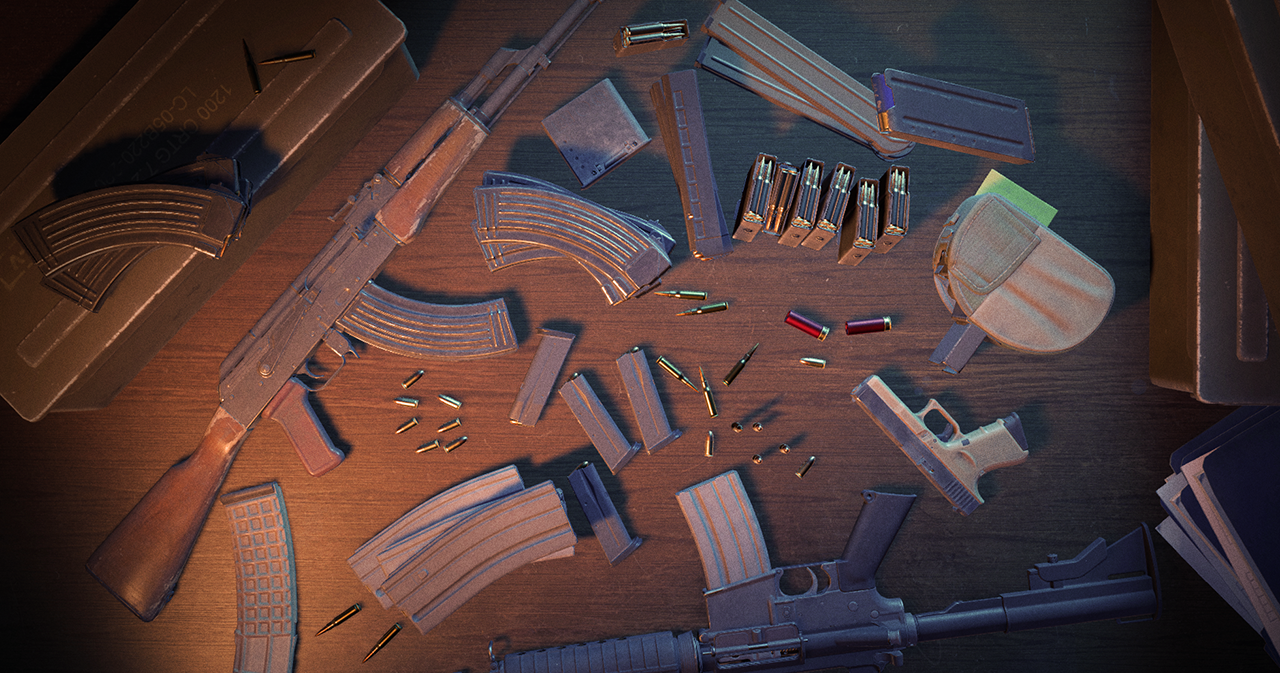
The March 18-19, 2026 "Guns, Guides, and Games" update replaced Counter-Strike's shared ammo pool with a magazine-based system. When you reload a magazine-fed weapon and the reload completes, all remaining bullets in that magazine are permanently discarded for the round. The HUD now shows reserve ammo as individual magazines rather than a total bullet count, and weapons carry a limited number of reserve magazines rather than a shared pool.
The second update is the Animgraph 2 beta, launched April 1, 2026. Animgraph 2 rebuilt CS2's third-person animation system, improving movement readability and making counter-strafing cues more visible in many situations. What that means competitively runs through several tips below.
Tips 1-3: Gunfight Discipline
Tip 1: Kill the Reflex Reload
The old Counter-Strike system returned unused bullets to a shared reserve when you reloaded, making topping off after a fight essentially free. That system is gone. Reloading now costs you every bullet remaining in your current magazine if the animation completes, which transforms one of the most automatic habits in Counter-Strike into a genuine decision.
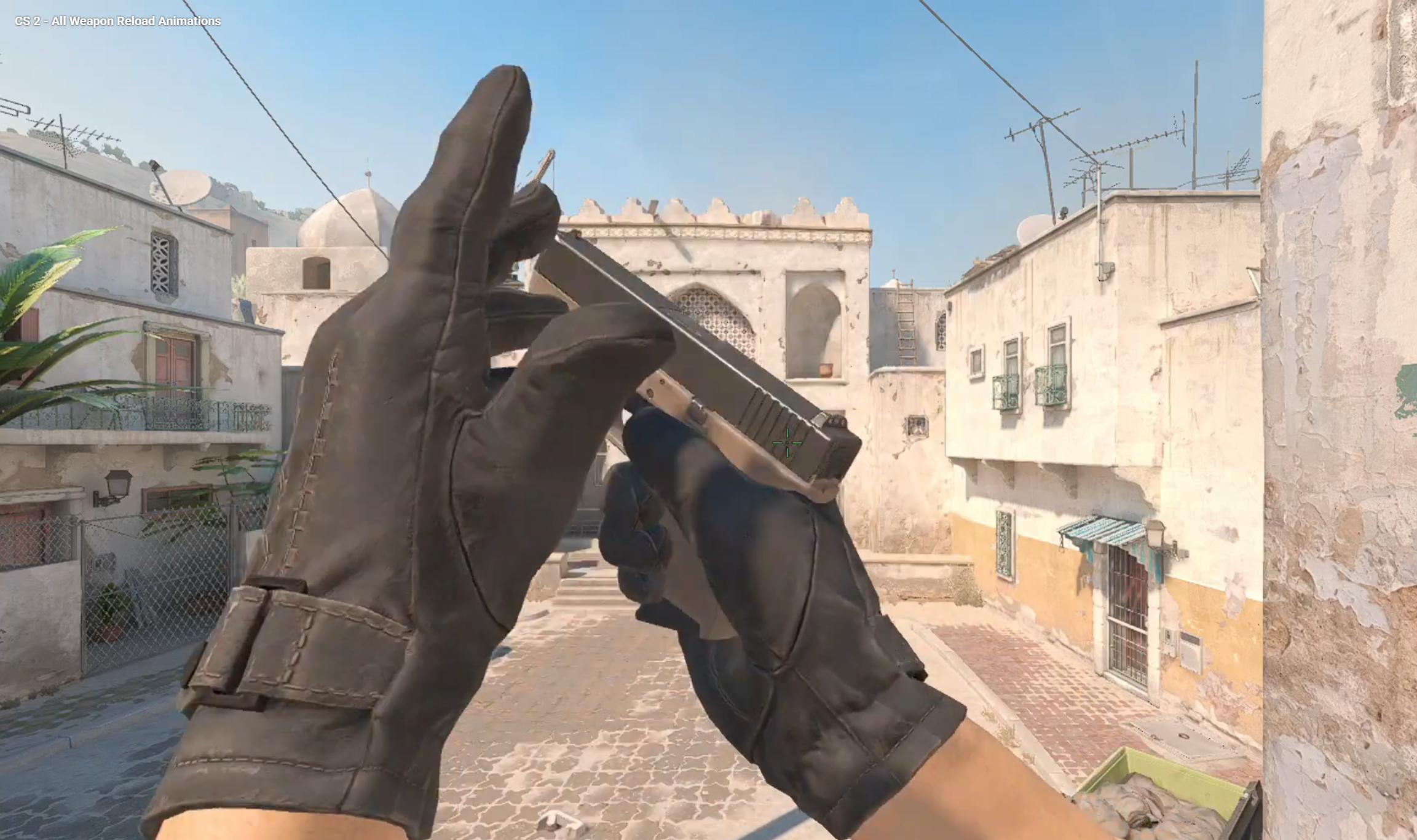
The habit to unlearn is the automatic R press after any engagement, particularly in the two to three seconds immediately after winning a fight when a second enemy might be close. The new decision before every reload is practical: estimate roughly how many bullets remain, consider whether another fight is likely in the next fifteen seconds, and only commit if a full magazine is worth more than the bullets you are discarding. More than half a magazine left means the answer is usually no.
Tip 2: Cancel a Reload When a Threat Appears
The cancel-reload is the most useful micro-technique from the March 2026 update, and almost no tips articles have covered it properly. Switching weapons before the magazine swap point in the reload animation cancels it without losing any bullets. Any weapon switch works, including a quick-switch back to your rifle. The key is catching the animation before it reaches the swap point, which falls roughly in the first half of the animation and varies slightly by weapon.
This matters most in the situation where you start a reload out of habit, hear a footstep, and need to come back online immediately. The cancel preserves your bullet count and brings you back to your primary weapon faster than letting the animation finish. Worth practicing in a deathmatch server to develop the timing before relying on it in a Premier match.
Tip 3: Counter-Strafe Reads Now Work Both Ways
Animgraph 2 made counter-strafing more readable in third-person, which most coverage frames purely as a defender advantage. The implication runs both directions. When you are peeking an angle, the opponent watching your model now has better visual signal on whether you have genuinely stopped versus whether you are still carrying momentum, which means slow deliberate stops with clean weight transfer matter more than aggressive strafe-peeking where your model reads as unstable.
From the defending side, the improved readability gives you more accurate information about an enemy's movement state at the moment you decide to fire. Timing your shot to the visible counter-strafe rather than firing into a moving model is a duel-winning habit at every level, and the visual information to support it is now more reliable than it was before the April update.
Tips 4-6: Economy and Map Pool
Tip 4: MR12 Economy Logic Is Tighter Than Most Players Treat It
MR12 means 12 rounds per half and 24 total, down from the old MR15 format's 15 per half and 30 total. Fewer rounds compress the number of full-buy rounds available in each half and raise the stakes of every pistol round conversion. A single lost pistol round that bleeds into a lost anti-eco round can effectively remove two to three full-buy rounds from the half, which is a proportion of the total rounds that hurts far more in MR12 than it did in MR15.
Calling your intention to save in voice chat at the start of a lost round takes two seconds and prevents the team from accidentally splitting between savers and buyers, which is the most common economy mistake at sub-15k rating. Force-buying on a three or four round losing streak, sometimes defensible in the old format, is rarely the right call now.
Tip 5: Two Maps Deep Beat Seven Maps Shallow
Premier uses the full Active Duty map pool with a ban-pick veto, meaning you will face every map eventually but will control which ones you play most often if you veto well. The common mistake below 15k is spreading practice time equally across all seven maps, which produces shallow knowledge of each and makes the veto feel threatening rather than strategic.
Two maps with genuine depth (five or six utility lineups per site, real callout fluency, practiced executes) produce more consistent rating than mediocre competence across the entire pool. The remaining five maps become ban targets in the veto and occasionally practiced enough to survive them. Pick two, go deep, and treat the rest as knowable threats rather than equal priorities.
Tip 6: Win the Map Veto Before the Match Starts
The Premier map veto rewards players who treat it like a mini-tournament decision: ban your weakest maps first, keep maps you suspect opponents want when you have the veto, and enter the match on terrain that favors your preparation. Most players click through the veto on autopilot. Checking opponent Steam profiles for map play history before the veto takes ninety seconds, is completely legal, and occasionally reveals exactly which map the other team has been grinding.
Banning predictably, always removing the same map regardless of context, is also readable by experienced opponents who will target your comfort zones with their own veto decisions. Keeping one weak map as a bluff ban occasionally pays off at higher rating brackets where veto tendencies get scouted.
Tips 7-10: Meta Decisions and Mental Discipline
Tip 7: Choose Your M4 Based on Role, Not Habit
The April 2026 patch buffed the M4A1-S with a range damage increase, narrowing its long-distance disadvantage against the M4A4, per the April 2026 CS2 patch notes. Under the new magazine system, the M4A4 carries significantly more total ammo than the M4A1-S, roughly double, making it the stronger choice for players taking aggressive positions, holding multiple angles, or spraying through utility.
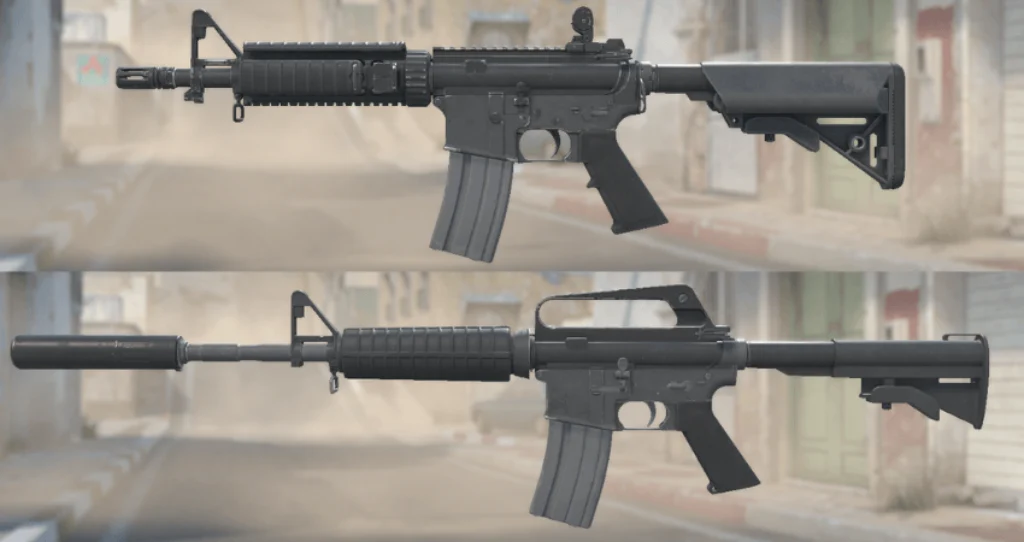
The M4A1-S became a better anchor rifle after the range buff, specifically for players holding one long sightline from a set position where the suppressor's ability to hide shot tracers through smokes adds real value. Choosing based on your role in the specific round, rather than defaulting to whichever skin is in your loadout, is a small decision with a noticeable effect on ammo discipline over a full match.
Tip 8: Premier Ranks on Round Wins, Not Kills
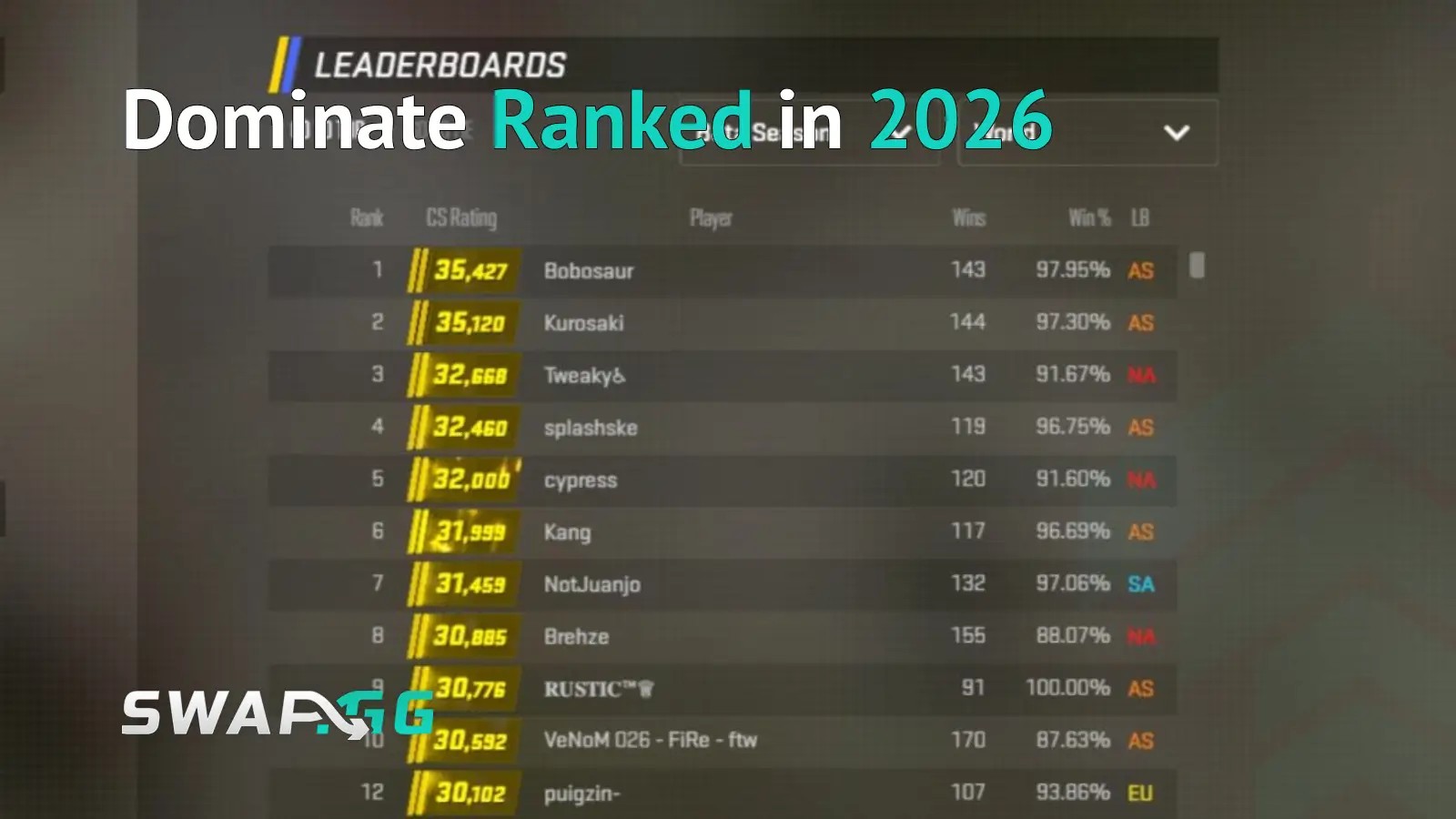
CS Rating moves on round wins, opponent quality, and round impact signals. A dominant 13-4 win gives more rating than a narrow one. Individual kill counts are not the primary lever. That disconnect between what players track (KD ratio) and what the system actually rewards (round outcomes) drives a set of in-game decisions that are technically impressive and practically counterproductive.
Trading a kill to avoid dying, taking hero duels that benefit your stats but leave your team a player short in a critical moment, refusing to flash a teammate into a site because the interaction looks unfavorable for your own score. All of it optimizes for the wrong output. A flash that opens a site for three teammates and wins the round contributes more to your rating than the kill you took trying to be the entry fragger without support.
Tip 9: Stop at Five Matches
Decision-making under tilt degrades in ways that are genuinely difficult to notice from inside the session, which is exactly what makes it dangerous. Three to five matches per session with a short review afterward, rather than marathon grinds, is the consistent approach recommended across CS2 coaching and improvement resources in 2026. After five consecutive losses, the probability that continuing produces positive outcomes drops not because your mechanics deteriorate but because frustration shapes decision-making in small ways that compound across rounds.
Ending a losing session is correct variance management. It is not giving up. Players who treat it that way, stopping deliberately rather than reactively, climb faster over a month than players who extend sessions chasing the one match that finally turns the streak.
Tip 10: Watch One Demo With One Specific Question
Demo review is the highest-return solo improvement tool in CS2 and also the most avoided, largely because watching an entire 45-minute match with no objective produces nothing but boredom. Every rank bracket has a signature mistake keeping players stuck. Recording one match and watching it back with a focused question reveals that mistake within the first five rounds in almost every case.
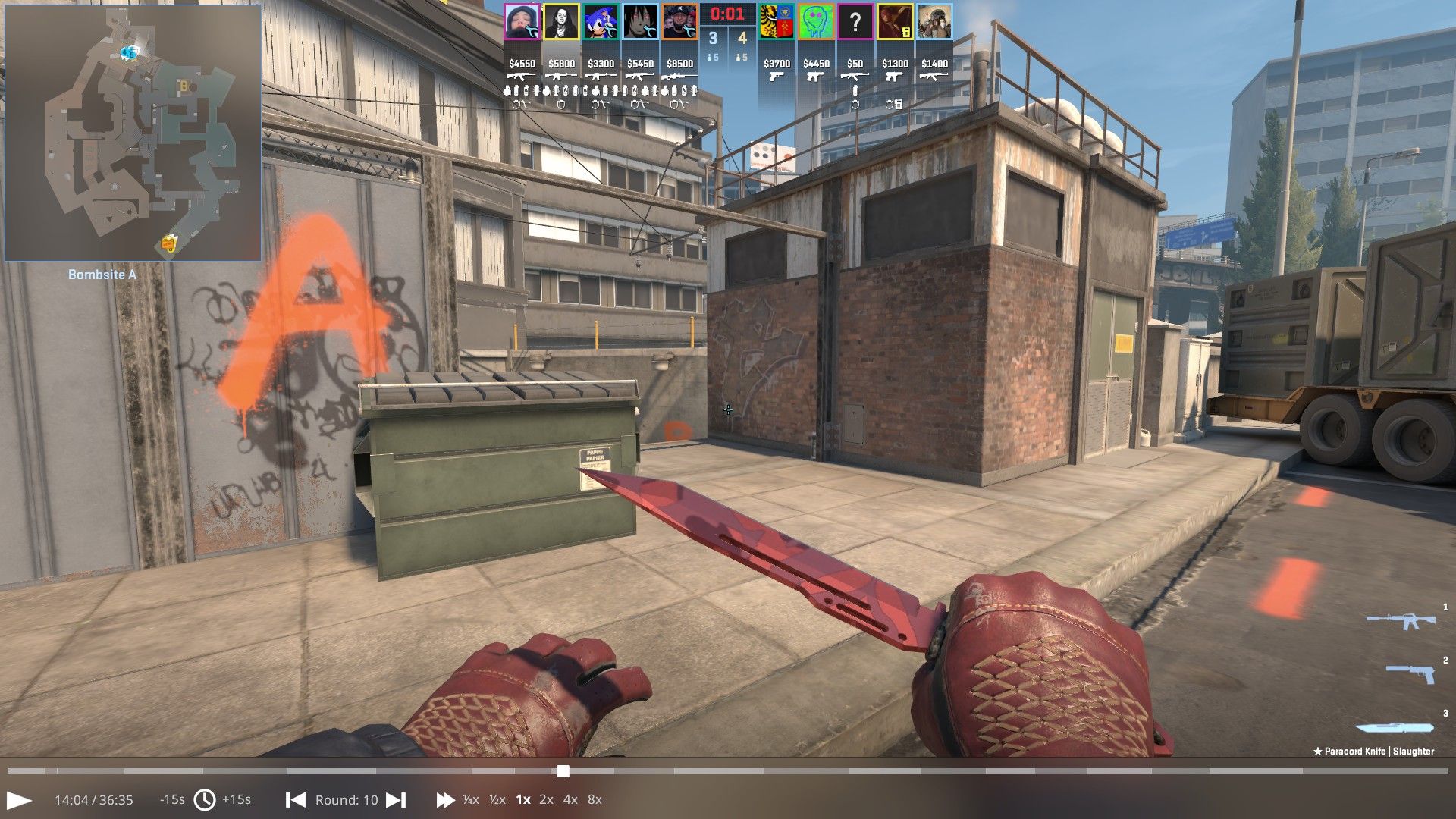
The most useful question for anyone below 15k CS Rating in June 2026 is specific: "How many rounds did a completed reload cost me this match?" Finding the answer takes fifteen minutes and identifies a habit that is costing most players multiple rounds per session without showing up anywhere in the end-of-game stats.
FAQ
What is the biggest change affecting CS2 ranked play in 2026? The March 18-19, 2026, reload overhaul. When you reload a magazine-fed weapon and the animation completes, all remaining bullets in the current magazine are permanently lost for that round. The habit of reflexively reloading after fights, which carried no meaningful cost under the old system, now costs players bullets and impacts gunfights later in the same round.
How do you cancel a reload in CS2 without losing bullets? Switching weapons before the magazine swap point in the reload animation cancels it while preserving the remaining bullets. Any weapon switch works. The swap point falls roughly in the first half of the animation and varies slightly by weapon, so practicing the timing in a deathmatch server before using it in Premier is worthwhile.
Does kill count affect CS Rating in Premier? No. Premier CS Rating moves on round wins, opponent quality, and round impact, not individual kill totals. Decision-making that prioritizes round wins over personal stats, including dropping weapons to teammates, flashing for entries, and saving in lost rounds, produces better rating outcomes than hunting kills.
How many maps should you focus on in CS2 Premier? Two maps with genuine depth beat shallow knowledge of all seven. Learning five or six utility lineups per site on your two strongest maps and building real callout fluency gives you reliable wins and a strong veto position. The remaining maps become ban targets.
What is MR12 in CS2 and how does it affect strategy? MR12 is the current CS2 format: 12 rounds per half, 24 total, down from the old MR15 format of 15 per half and 30 total. The shorter format raises the importance of pistol round conversions and makes force-buying on extended losing streaks less justifiable than it was in the longer format, since fewer rounds remain to recover the rating loss.

发布于 在 CS2