The Rush Hour Update Was a Gameplay Patch, Not an Economy Patch

Publié le dans CS2
Commonly called the "Rush Hour update" by players and media, Valve's September 22, 2026 patch was the studio's biggest content drop of the year for players and almost a non-event for traders. It added a new 3v3 mode called Rush, silent reloads, a rebuilt Premier map selection process, and a pet chicken system Valve never announced. It also added zero new weapon cases, zero new weapon collections, and no changes to trade-up contracts. The one exception for anyone holding inventory is a single line most people skimmed past: stickers can now be applied to the C4.
What the Rush Hour Update Actually Added
The September 22, 2026 patch was Valve's largest content update of 2026 for CS2. It introduced the Rush 3v3 queued mode, silent reloads, a rebuilt Premier map selection process, clan tags, C4 sticker customization, and an unannounced pet chicken system. It added no new weapon cases or collections.
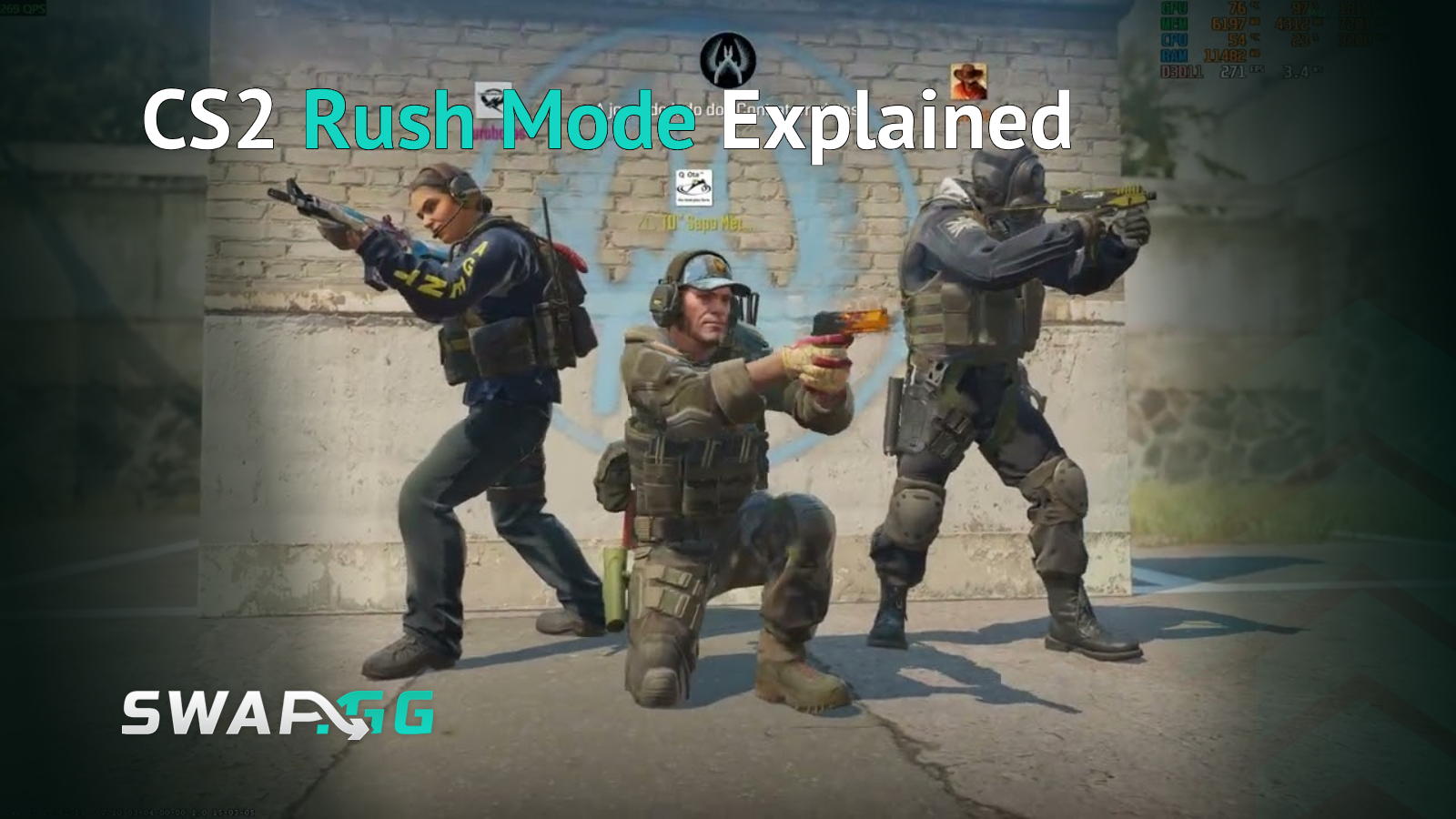
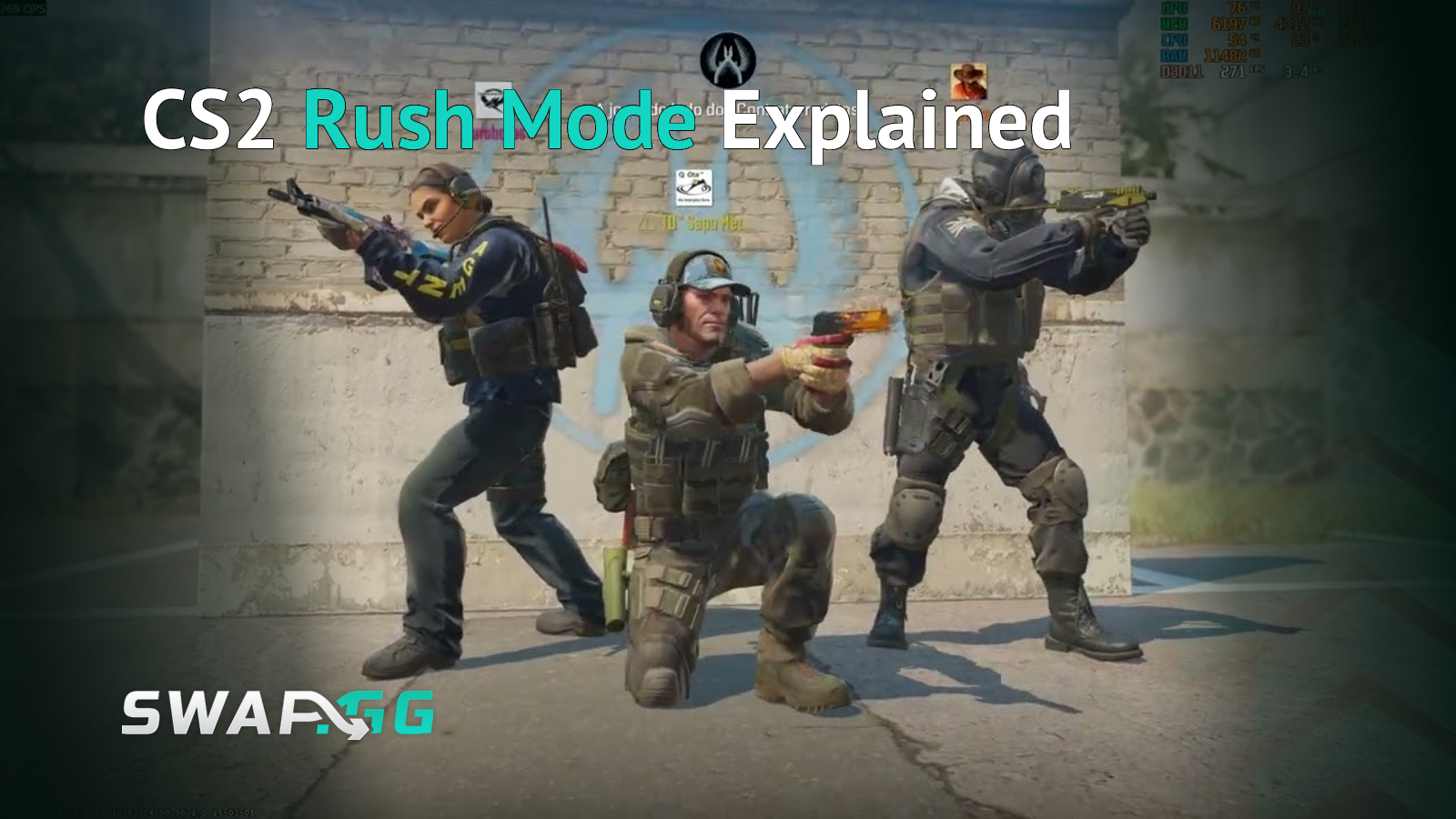
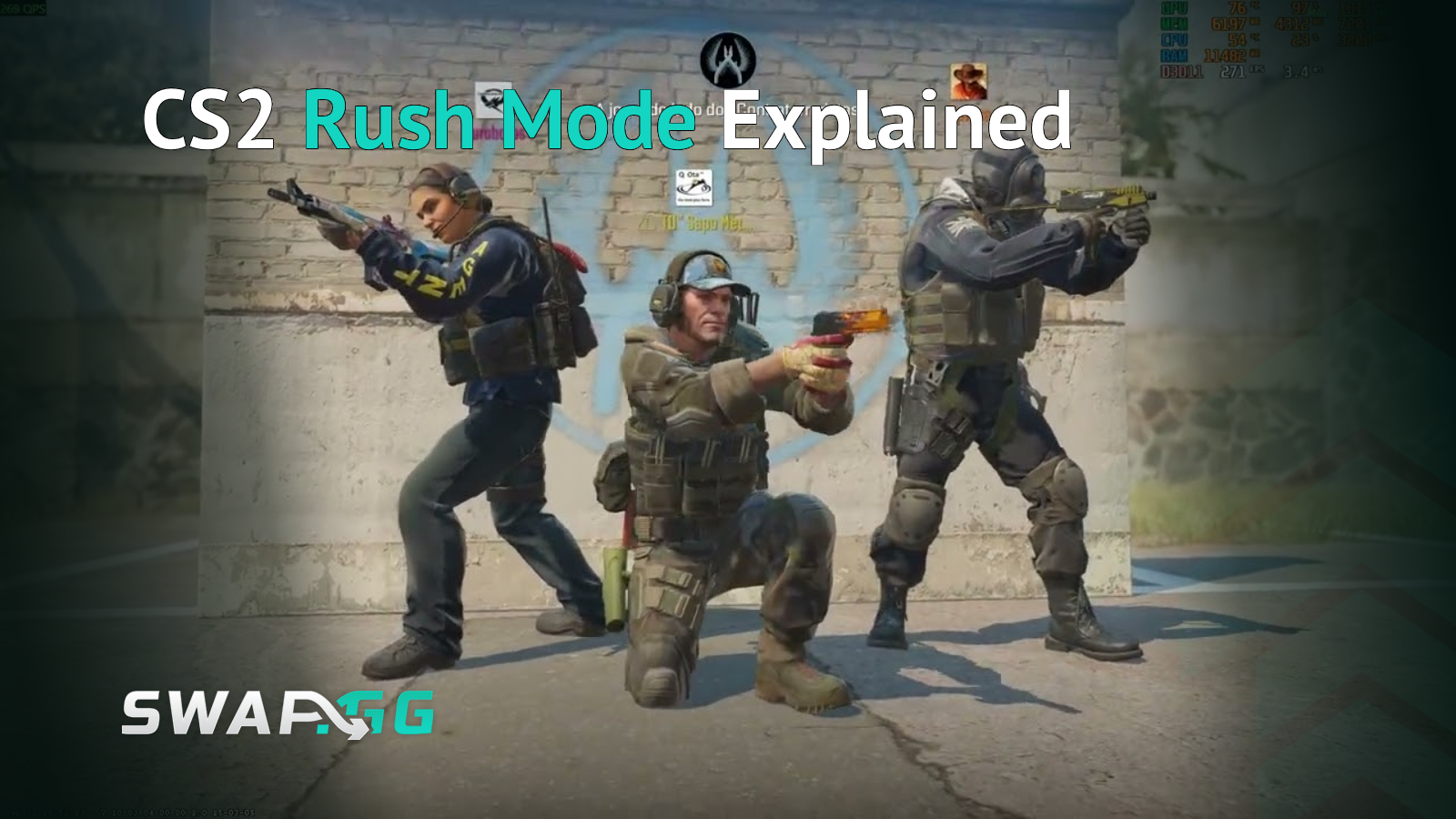
The headline feature is Rush, a queued 3v3 mode where two squads fight through randomly selected battle arenas toward an enemy castle. Valve drew from a pool of fifteen arenas for each match, and the objective in every room is a central tower that decides the round rather than a bomb plant or a full team wipe. The patch also carried a longer list of quieter changes, and two of them sit closer to the item economy than the rest.
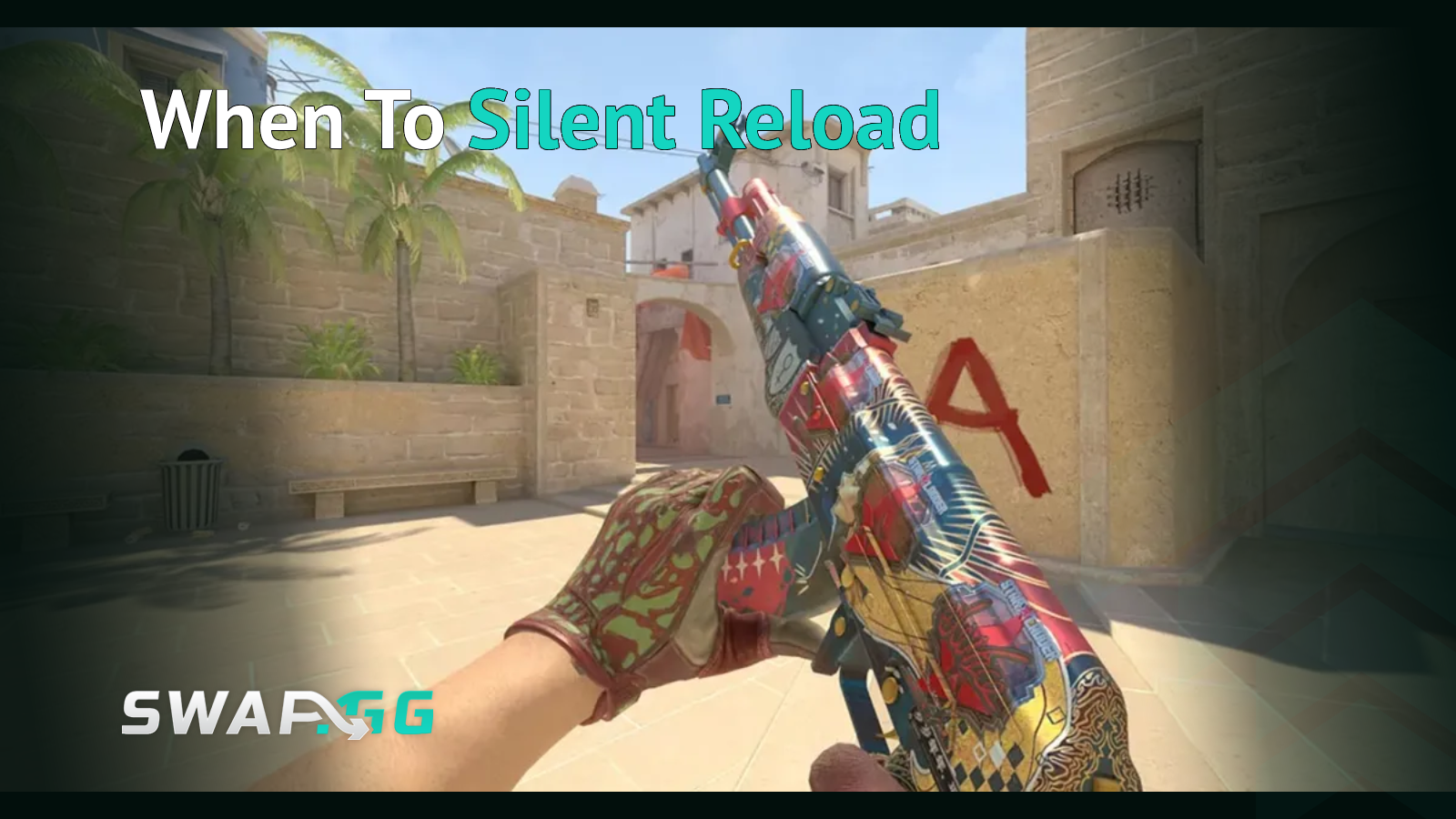
Silent reloads let you hold the reload key to avoid making noise at the cost of a slower animation. Unscoping a sniper rifle no longer produces a sound, removing a piece of audio information snipers have leaked since the beginning of the game. Premier's map selection process was rebuilt so each team picks two maps and the game randomly selects one from the four. Clan tags returned after roughly three years away. Crosshairs got a dedicated settings tab with a new Dynamic Quad default, and blood and bullet impacts became more visible. Grenades now have a total purchase limit per round enforced by the ammo_grenade_limit_total setting, so you can no longer throw one and buy another.
The two additions closest to the economy are C4 stickers, which let you apply up to five stickers to the bomb, and the pet chicken system, which Valve never mentioned in the patch notes and players found within hours of updating.
For Players: What Actually Changed in Rush, Reloads, and Premier
The gameplay changes are the reason Valve shipped this patch, and they're what most players will feel. The three biggest changes do different things depending on how you play.

Rush Mode and the Tower Rule
Rush is a tug-of-war mode. Each round is decided by who controls a central tower, not by who gets the most kills. If you wipe the enemy team but don't own the tower, a short countdown begins, and you lose the round if you fail to capture it. That single rule changes how you play every round: chasing a survivor into a corner while the tower sits undefended is a throw, and trading evenly without contesting the objective is a slow loss. The arena order is randomly selected each match, so there's no muscle memory to fall back on, and the players who adapt fastest will climb.
Silent Reload and the Clutch Meta
The silent reload is the change that will reshape more rounds than anything else in the patch. Holding the reload key gives you a silent magazine change at the cost of a significantly longer animation. Community testing puts the AK-47 at roughly 2.47 seconds for a normal reload against about 4.73 seconds for a silent one, though Valve hasn't published official per-weapon timings. The mechanic is powerful in clutches and lurk plays where the sound of a normal reload would give the enemy actionable information, and harmful in mid-duel situations where the extra downtime gets you killed.
Premier Map Selection
Premier's map pick was rebuilt from a ban-down-to-one process into a voting system. Each team picks two maps, and the game randomly selects one from the four. The change gives teams more chances to play maps they've been practicing, but it also adds randomness to a competitive mode where some players preferred the old veto ritual.
For Traders: The C4 Sticker Slot Is the Only Economy Change
The patch added zero new cases, zero new weapon finishes, and zero changes to trade-up contracts. For anyone holding inventory, that meant almost no supply-side consequence. The one exception is the C4 sticker slot, which adds a new permanent surface for sticker crafts and a new reason to buy stickers that previously had nowhere else to go.
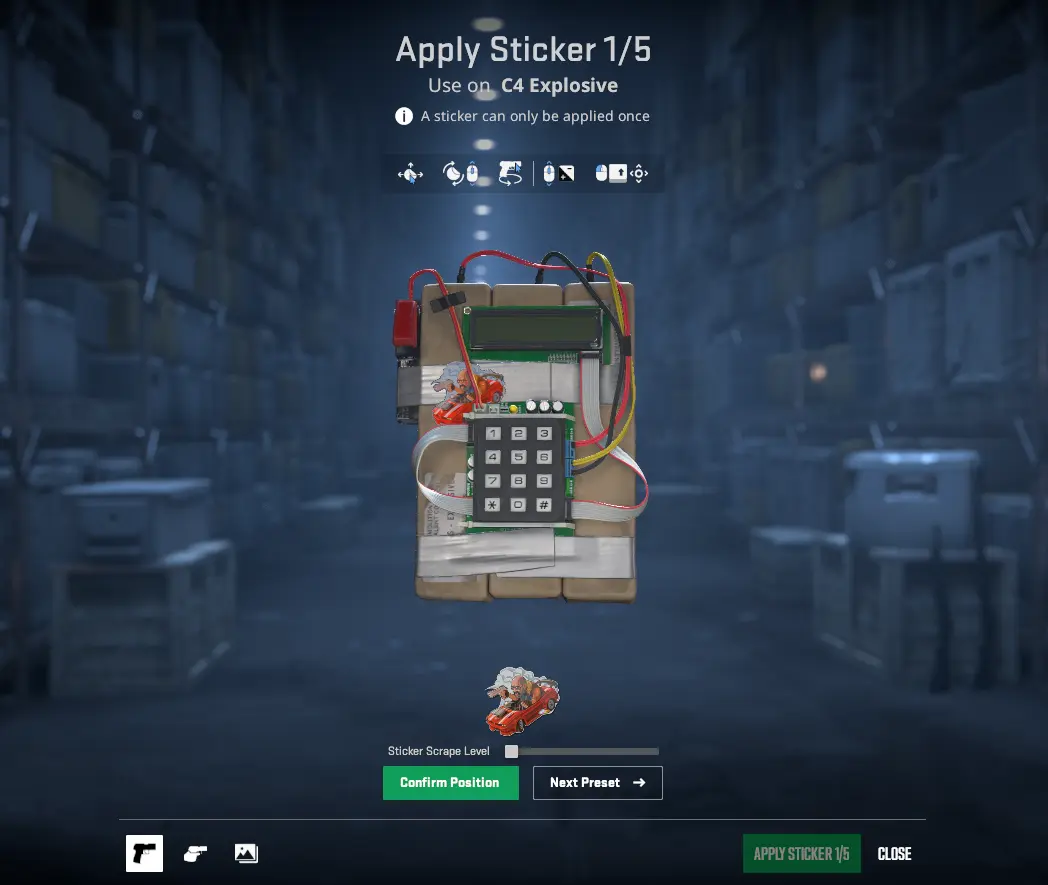
What the C4 Slot Changes
A bomb site is the most-watched object in Counter-Strike. The C4 sits in the open, on the ground, in front of five enemies, for the most tense forty seconds of any round. It's carried by a Terrorist on every T-side round, which means it's on screen in scrims, in Majors, and in every clip that gets posted to social media. Stickers applied to the C4 are permanently consumed into that one inventory, just like stickers on weapons, and the C4 is the single object every Terrorist in every round is forced to look at.
The Market Reaction and Why It Faded
The market reacted within hours. Bomb-themed stickers spiked hard on launch day: Sticker | Bomb On Board rose 558%, Sticker | Bomb Code rose 260%, and Sticker | Bomb Squad (Foil) rose 26%. Those figures represent early reported movements, not a guarantee that the prices held, and a small number of purchases can produce dramatic percentage changes in thin markets where active listings are limited.
We think the C4 slot is a floor-supporting change rather than a rally-starting one. One extra slot per inventory is a rounding error against a sticker market where a single popular capsule can hold millions of units, and that's the honest limit of what this update does for traders. Valve didn't remove anything from circulation here. It just gave existing stock one more place to live, which is exactly why it supports a floor rather than a rally.
The Pet System Is a Deliberate Move Away From the Market
Most cosmetics in CS2 eventually find a price. Skins drop from cases and trade on multiple platforms. Agents can be bought and sold. Stickers move like currency. Charms attach to weapons and trade like any other inventory item. The pet chicken system is the first cosmetic addition to CS2 that exists entirely outside the market, and Valve built it that way on purpose.

What the Chicken Actually Costs You
A Chicken Egg can appear as one of the options in your Weekly Care Package, and taking it consumes both of your reward slots for that week. That means you give up a weapon case, a skin, or any other marketable drop in exchange for a pet you can't sell. The pet progresses through four stages over roughly five months, requires Chicken Feed that also consumes both slots, and can leave permanently if you stop feeding it. Datamined files show 34 colour variants across three breeds, distributed much the way skin rarities are, but there's no market that can price a rare one because there's no market at all.
The Signal Valve Is Sending
Redirecting the free-item tap toward a soulbound pet while the tradeable side of the economy keeps shrinking is a choice with a direction. Valve is investing in retention and engagement rather than in new supply for the market, and the pet system is the clearest evidence of that yet.
Why the Skin Market Barely Moved
The honest answer is that this was the biggest CS2 moment of 2026 and it did almost nothing to prices. In the same window that Valve shipped its largest content drop of the year, the median skin in tracked data was still 33.4% below its March price.
The Numbers Behind the Silence
Tracking site CSDB compared 1,185 skins with comparable prices between March 2 and September 15, 2026. Of those, 1,148 fell by more than 1% and only 30 rose by more than 1%. The median change was -33.4%. Knives lost the most at a median -41.0%, with gloves just behind at -38.2%, and the two categories whose supply rules were rewritten by the October 2025 trade-up update are precisely the two worst performers.
The Bull Case and the Bear Case
The bull case is that Rush lowers the time cost of playing CS2, pulling in more sessions from players who no longer want to commit forty minutes to a Premier game. The eggs add a reason to log in even on a night you don't feel like queueing. Both push hours played upward, and hours played is the most reliable demand input a skin economy has. The bear case is that the patch added zero weapon finishes and zero new cases, and a new game mode does nothing to change the supply faucet. While a container sits in the active drop pool, new copies get minted every day, so the price of the case drifts down and drags the items inside with it.
What This Patch Signals for the Rest of 2026
Valve isn't trying to boost the skin market with updates like this one. The patch was designed to get people playing more, not to give traders new supply to speculate on. That's why the C4 sticker slot, for all the attention it got on launch day, is a floor-supporting change rather than a rally-starting one: it adds a new permanent sink for stickers that already existed in enormous supply, and the early price spikes were speculation rather than sustainable demand.
The pet system is the clearer signal. Valve built a 34-step rarity ladder and bolted it to something that can't be traded, the opposite of how every other cosmetic in CS2 works. It's the first cosmetic in the game designed to have a rarity tier and no price. If that design philosophy continues, the tradeable side of the economy will keep shrinking while the engagement side grows.
For traders, the practical takeaway is that this patch didn't give you a new case to open, a new collection to flip, or a new trade-up route to exploit. It gave you one new sticker slot, a soulbound pet you can't sell, and a reminder that Valve's priorities are shifting toward gameplay and retention. The next economy-changing update will come from somewhere else.
FAQ
What did the September 2026 update add to CS2?
It added the Rush 3v3 queued mode, silent reloads, a rebuilt Premier map selection process, clan tags, C4 sticker customization, crosshair improvements, and an unannounced pet chicken system. It added no new weapon cases or collections.
Can you put stickers on the C4 now?
Yes. The update lets players apply up to five stickers to the C4 bomb with placement and rotation controls similar to those on weapons. Stickers applied to the C4 can be scraped or removed, but removing a sticker destroys it.
Did the update change skin prices?
Almost nothing. The patch added zero new cases and zero new collections, so the supply side of the market was unaffected. Bomb-themed stickers spiked on launch day because of the new C4 slot, but the median skin remained 33.4% below its March price.
Are the pet chickens tradeable?
No. Chicken Eggs, Chicken Feed, and every growth stage are permanently bound to the account that earned them. They don't appear in the Steam inventory, have no market page, and can't be traded or sold.
What is Rush mode in CS2?
Rush is a queued 3v3 mode where two teams fight through randomly selected arenas toward an enemy castle. Each round is decided by who controls a central tower rather than who eliminates the other team, and the first team to capture the tower inside the enemy castle wins the match.

Publié le dans CS2