How to Sell CS2(CSGO) Skins: A Complete Guide

Опубликовано в CS2
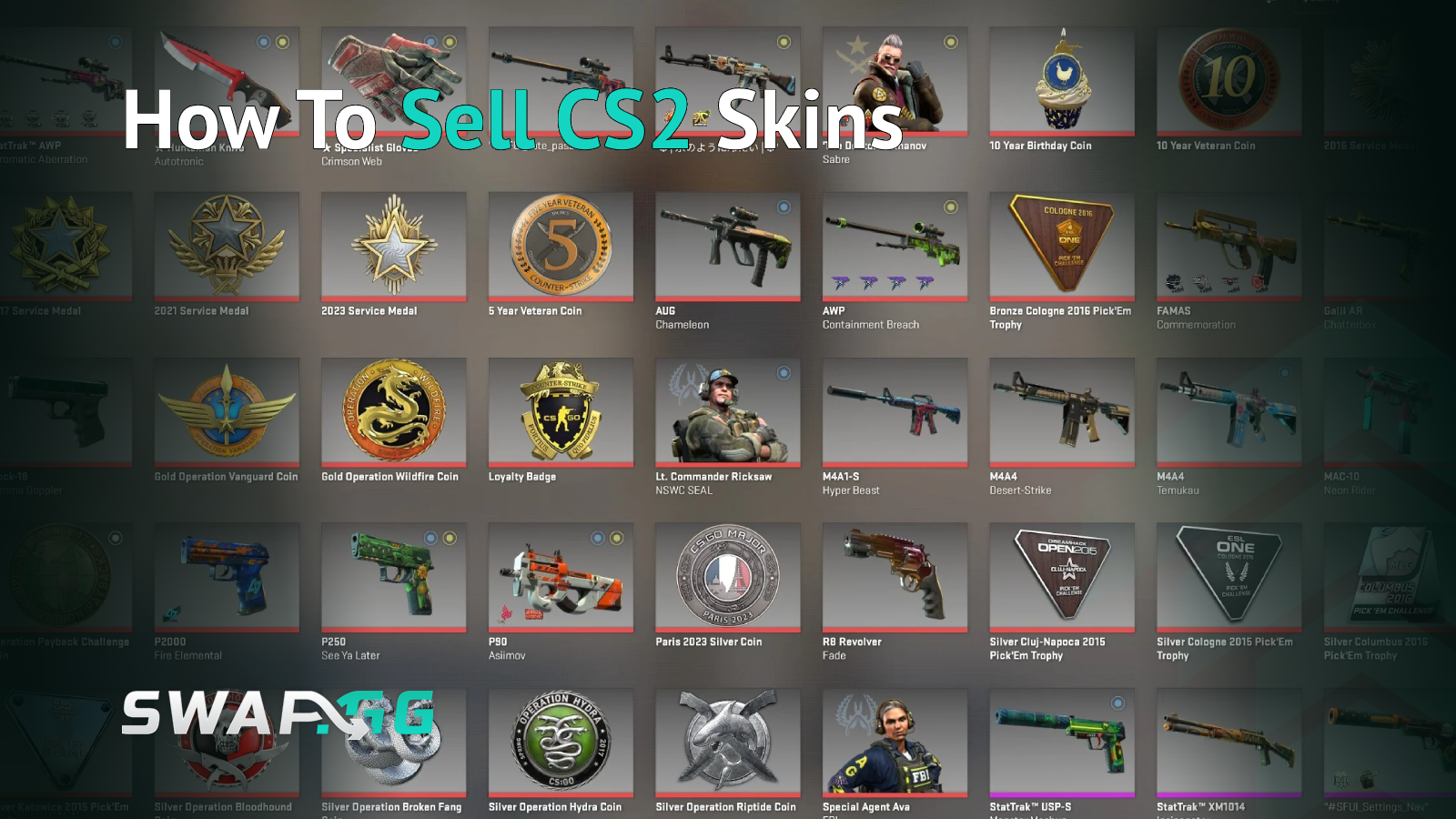
Your inventory is probably worth more than you think. That Dragon Lore collecting dust in your storage, the Karambit you never actually use in matches, or even those random case drops you forgot about: all of it has real monetary value that you can cash out whenever you're ready.
This guide covers everything you need to sell CS2/CSGO skins safely and profitably. You'll learn how to choose between Steam's Community Market, third-party platforms like Swap.gg, and peer-to-peer trading, along with the real trade-offs each option involves. We break down how float values and pattern indexes affect pricing, when to time your sales around Major tournaments and case releases, and how to set expectations based on actual transaction prices rather than inflated listings. You'll also get a rundown of the most common scams targeting skin sellers (fake payments, impersonation attacks, and phishing links) so you can spot them before losing anything.
Why Players Sell Their Skins
The motivations for cashing out your inventory vary from person to person. Some players need the money for real-world expenses, while others simply move on from the game and want to recoup their investment. There's also a significant portion of traders who buy low and sell high as a legitimate side hustle, treating the skin market like a stock exchange with more colorful assets.
Whatever your reason, understanding how the market works will help you get maximum value. The difference between a smart sale and a rushed one can easily be hundreds of dollars on higher-tier items, so taking time to learn the landscape pays off quickly.
Choosing Where to Sell CS2/CSGO Skins
You've got several options for selling your inventory, and each comes with distinct trade-offs between speed, safety, and the percentage of value you'll actually receive.
Third-Party Marketplaces
Dedicated skin marketplaces like Swap.gg offer a middle ground between convenience and value. These platforms handle the transaction security, provide instant or near-instant payouts, and take care of the buyer-finding process for you. The trade-off is a service fee, though reputable platforms keep this reasonable enough that it's worth the protection and convenience.

What makes third-party marketplaces appealing is the reduced risk compared to peer-to-peer trading. You don't have to worry about chargebacks, fake payment screenshots, or elaborate social engineering scams because the platform acts as the intermediary. For most players, especially those selling mid-range to high-value items, this safety net justifies the cut.
Steam Community Market
Valve's official marketplace is the most accessible option since it's built directly into your Steam client. The major limitation is that your proceeds stay locked in your Steam Wallet, so you can use them for other games or items, but you can't withdraw actual cash. Steam also takes a combined 15% cut (their fee plus the CS2-specific fee), which adds up quickly on expensive items.

The Community Market works best for lower-value items where the convenience outweighs the inability to cash out. If you're selling a few $5 skins to fund your next game purchase, the locked wallet funds aren't a big deal. But if you're looking to actually pocket money from a $500 knife, you'll want to explore other options.
Peer-to-Peer Trading
Direct trades with other players through forums, Discord servers, or trading communities can yield the highest returns since there's no middleman taking a cut. However, this approach requires significant time investment and carries substantially higher risk. Scammers specifically target these channels because the lack of buyer protection makes their schemes easier to execute.
Unless you're already experienced in the trading community and know how to verify potential buyers, peer-to-peer selling creates more headaches than it solves for the average player.
Getting the Best Price for Your Skins
The difference between market value and what you actually receive depends on how strategically you approach the sale. Several factors influence pricing, and understanding them helps you time your sales and set realistic expectations.
Understanding Float Values and Patterns
Two skins with identical names can have wildly different values based on their wear rating and pattern index. A Factory New AWP Asiimov with a 0.001 float commands a significant premium over one with a 0.069 float, even though both technically qualify as Factory New. Pattern indexes matter even more for certain items: a Karambit Fade with a 90/10 pattern sells for considerably more than one with an 80/17/3 distribution.
Before listing any valuable item, check its specific float and pattern using inspection tools or the various database sites that track these details. You might discover your "ordinary" skin is actually worth multiples of its base value, or you might save yourself the embarrassment of demanding premium prices for an average roll.
Market Timing and Trends
Skin prices fluctuate based on tournament schedules, case releases, and general market sentiment. Major events like the PGL Majors typically drive increased interest and trading volume, which can push prices upward for popular items. Conversely, when Valve announces a new case or operation, attention shifts toward the new content, sometimes temporarily depressing prices on older skins.
You don't need to obsess over timing perfectly, but being aware of the market's rhythms helps you avoid selling during temporary dips. If prices on your item have dropped 15% in the past week without any obvious reason, waiting a few days for the market to stabilize usually makes sense.
Setting Realistic Expectations
The listed price on Steam or third-party sites represents what sellers are asking, not necessarily what buyers are paying. Actual transaction prices often run 5-15% below listing prices, especially for items that aren't in high demand. When calculating your expected return, factor in this discount along with any platform fees.
High-demand items (popular knife finishes, rare stickers from discontinued events, or low-float versions of classic skins) tend to sell faster and closer to listing prices. Less popular items might sit for days or weeks before finding a buyer willing to pay your asking price, so you'll need to decide whether the wait is worth the extra few dollars.
Avoiding Scams When You Sell CS2/CSGO Skins
The skin trading ecosystem unfortunately attracts scammers who've developed increasingly sophisticated methods to separate players from their inventories. Knowing the common schemes helps you spot them before losing anything.
Fake Payment Scams
This classic approach involves a "buyer" who sends you a convincing-looking screenshot or notification claiming they've already paid, then pressures you to send the items before you can verify the payment. Sometimes they'll even send a small amount to your PayPal or Venmo first, then claim the rest is "processing" and you should send the skins while waiting.
The solution is straightforward: never send items until you've personally verified funds in your account. Legitimate buyers understand this and won't pressure you to skip verification steps.
Impersonation Attacks
Scammers frequently create accounts that closely mimic reputable traders or marketplace staff, using slight variations in usernames that look identical at a glance. They might claim to be a "middleman" for a trade, an admin investigating your account, or a well-known trader interested in your items.
Always verify identities through official channels. If someone claims to represent a marketplace, confirm it through the platform's support system rather than trusting the person who contacted you. Check Steam profiles carefully for account age, game hours, and inventory value, since scammers rarely have established accounts with genuine history.
Phishing Links
Fake websites that look exactly like legitimate marketplaces exist specifically to steal your login credentials. Once you enter your information, scammers access your real account and drain your inventory within minutes. These links often arrive via Steam chat, Discord messages, or embedded in forum posts.
Bookmark the real URLs for any marketplace you use and navigate there directly instead of clicking links in messages. Enable Steam Guard mobile authentication for additional protection, and never enter your credentials on a site you reached through a message link.
Why Swap.gg Works for Selling Skins
Finding a reliable marketplace matters more than squeezing out every last percentage of value. Swap.gg has established itself as a trusted option for CS2 and CS:GO players looking to sell their inventory without the anxiety of peer-to-peer trading or the wallet-lock limitations of Steam's market.
The platform handles buyer verification and payment security, so you can focus on getting fair value for your items rather than playing detective on every potential buyer. Transaction times are fast enough that you're not waiting days wondering if something went wrong, and the fee structure is transparent, so you know exactly what you'll receive before confirming any sale.
For players with inventories ranging from a few hundred to tens of thousands of dollars, this combination of convenience, security, and reasonable pricing hits the sweet spot between maximizing returns and minimizing risk.
Making the Most of Your Sale
Before you list anything, take time to inventory what you actually have. Use a third-party inventory checker to see current market values for everything in your collection, since you might be surprised by what's gained value since you acquired it. Sticker combinations, rare patterns, and discontinued items often appreciate significantly over time.
Consider whether you want to sell everything at once or list items gradually. Flooding the market with your entire inventory at below-market prices might get you cash faster, but you'll likely leave significant money on the table. For most players, selling high-value items individually while bundling lower-value skins together offers the best balance of speed and return.
The CS2 skin market isn't going anywhere, so there's no rush to dump your inventory at the first offer. Take time to research values, choose a platform you trust, and price your items fairly. Your patience will be rewarded with better returns and fewer regrets.

Опубликовано в CS2